


Nutrition
Nutrition during pregnancy
During pregnancy, a varied and safe diet supports the mother's needs and the baby's development.
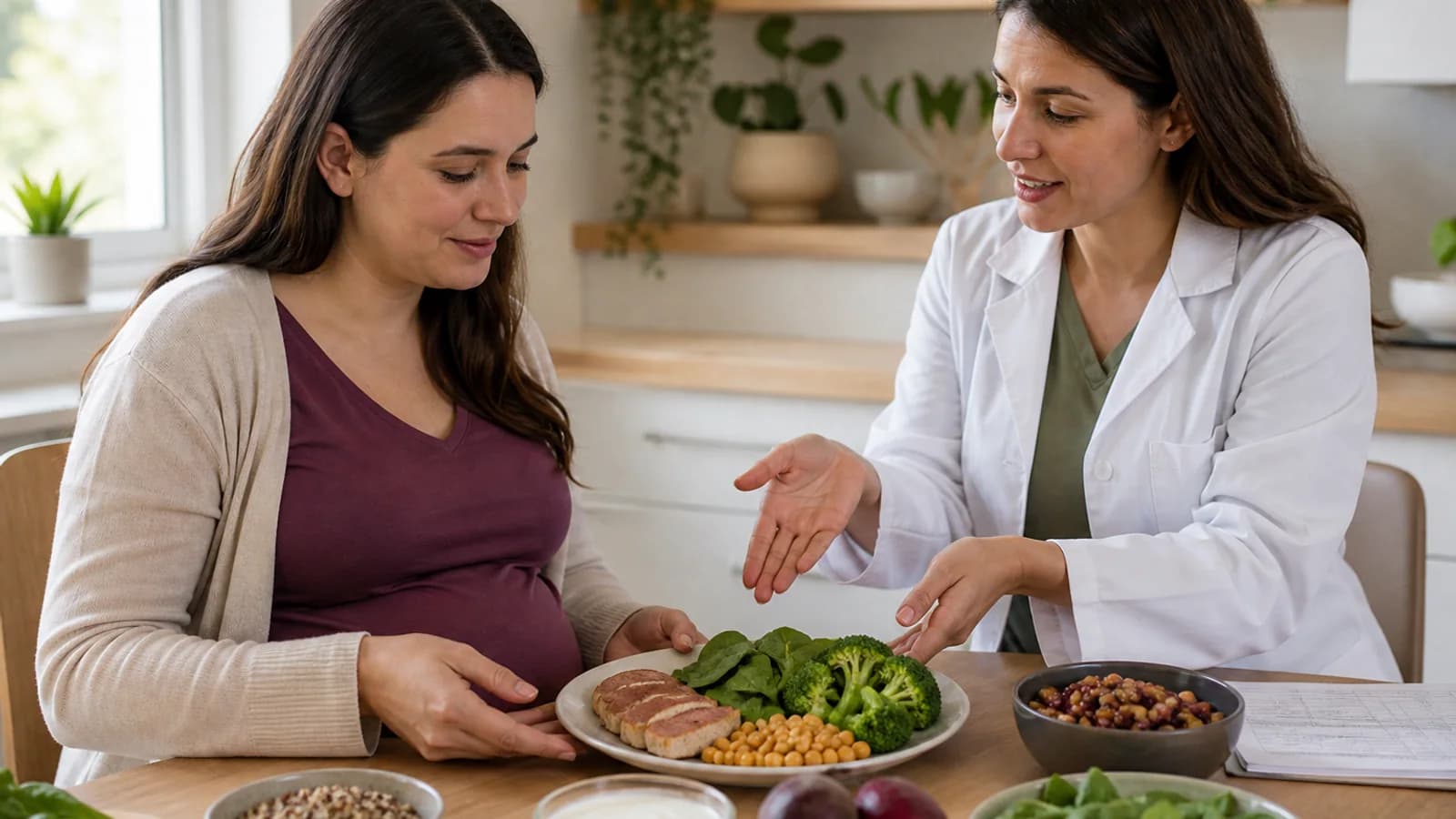
Feeding In pregnancy, it is key to having a healthy pregnancy. It is a stage with special nutritional needs that the mother must satisfy through a balanced diet. The diet in pregnancy should be varied and complete, with foods that provide quality nutrients.
In pregnancy you only need about 340 to 450 calories additional per day for the last trimester of pregnancy, when the baby grows faster.
Although you don't eat for two in terms of calories, you do need to eat for two when it comes to nutrients. So you are responsible for providing the right feeding for your baby through what you do.
The ideal is, therefore, for the expectant mother to prepare for pregnancy several months in advance, by stopping drinking alcohol, following a balanced and varied diet, and taking folic acid supplements from the moment she begins to seek pregnancy. The mother's first-to-to-to-to-to-to-to-to-to-to-to-to-to-to-to-to-to-to-to-to-to-to-to-to-to-to-to-to-to-to-to-to-to-to-to-to-. But if pregnancy has come by surprise, don't worry; it's never too late to give your child the best nutrition to grow up healthy.
Ideal weight gain
The ideal weight gain in pregnancy is between 9 and 12 kilos.; an increase that guarantees the proper growth of the baby as well as the health of the mother, since an excess of weight of the future mother can lead to complications in pregnancy and childbirth. Although, it may vary from woman to woman it may be reasonable to earn 25 to 35 pounds (average) during pregnancy.
Distribution of pounds earned in pregnancy
- 7.5 pounds The amount of the amount – average weight of the baby
- 7 pounds – proteins, fats and other nutrients stored in the mother
- 4 pounds – additional blood
- 4 pounds – Additional body fluids
- 2 pounds – chest,
- 2 pounds – uterus
- 2.5 pounds – amniotic fluid surrounding the baby
- 1.5 pounds – the placenta the placenta the the placenta
Food during pregnancy
Recommended calorie intake during pregnancy It's about 2,000 calories a day? 70% of the diet should be made up of cereals, bread and pasta, preferably whole. In addition, five servings of fruit and vegetables a day. Also, two to three servings of protein a day and two to three servings of dairy.
The diet should have some essential nutrients for proper baby development. There is no lack of calcium, iron, folic acid, iodine and ome 3.
In addition, water consumption is very important to maintain adequate hydration. It facilitates digestion, elimination of toxins and helps to relieve major pregnancy discomfort such as headache, constipation and fluid retention.
Also; it should be rich in vegetables, at least five pieces of fruit and vegetables a day. They are essential for their contribution in vitamins and minerals.
Meat, fish, dairy, legumes and nuts are foods rich in iron, and calcium, in addition to essential fatty acids in fish, among the richest foods in ome 3. Do not forget the cereals, legumes and carbohydrates for their fiber and energy input that should be part of the daily diet.
That foods eat during pregnancy
Keep in mind that, in the nine months of pregnancy, your body changes day by day; and nutritional needs are not the same at first, when your child is a group of cells, that in the final straight, when a baby grows inside you.
The pregnant woman should not follow any special diet, nor change her habits much, she should simply eat healthy and balanced, adapting the supply of energy and nutrients to her new physiological situation. The changes in the mother's body to accommodate the fetus and allow its development imply an increase in its energy, vitamin and mineral needs.
Table of essential nutrients
| Nutrient)) | Required for: | Best Sources: |
| Carbohydrate | energy production | bread, cereals, potatoes, pasta |
| Iron | red blood cell production | red meat, spinach, breads, cereals |
| Vitamina A | skin, vision, bones | carrot, green leafy vegetables, sweet potato |
| Protein | cell growth, blood production | meat, fish, chicken, egg whites |
| Vitamina C | gums, teeth and bones | citrus fruit, tomato |
| Calcium | bones, teeth, muscle contraction | milk, cheese, tamong, sardine, salmon, spinach |
| Vitamina B6 | red blood cell development, protein, fat and carbohydrate use | pork, ham, whole grains, banana |
| Folic acid | blood and protein production, enzyme function | vegetables, fruit, nuts |
| Vitamina B12 | red blood cells. Nerve System | meat, chicken, fish, milk |
| Fat | energy storage | meat, dairy, nuts, margarine, oil |
| Vitamina D | Bones, teeth, Calcium absorption | milk, dairy, cereals, bread |
And, since each woman is different, each pregnancy is different too; so it is always advisable to go with a nutritionist to make a personalized feeding plan?
Dr. Angelica Fonseca Morales. Nutritionist
Author: Torre Médica Santa Inés
Personalized care
Do you need professional guidance?
Our team can help you find the right specialty and coordinate your appointment.
Schedule via WhatsApp →